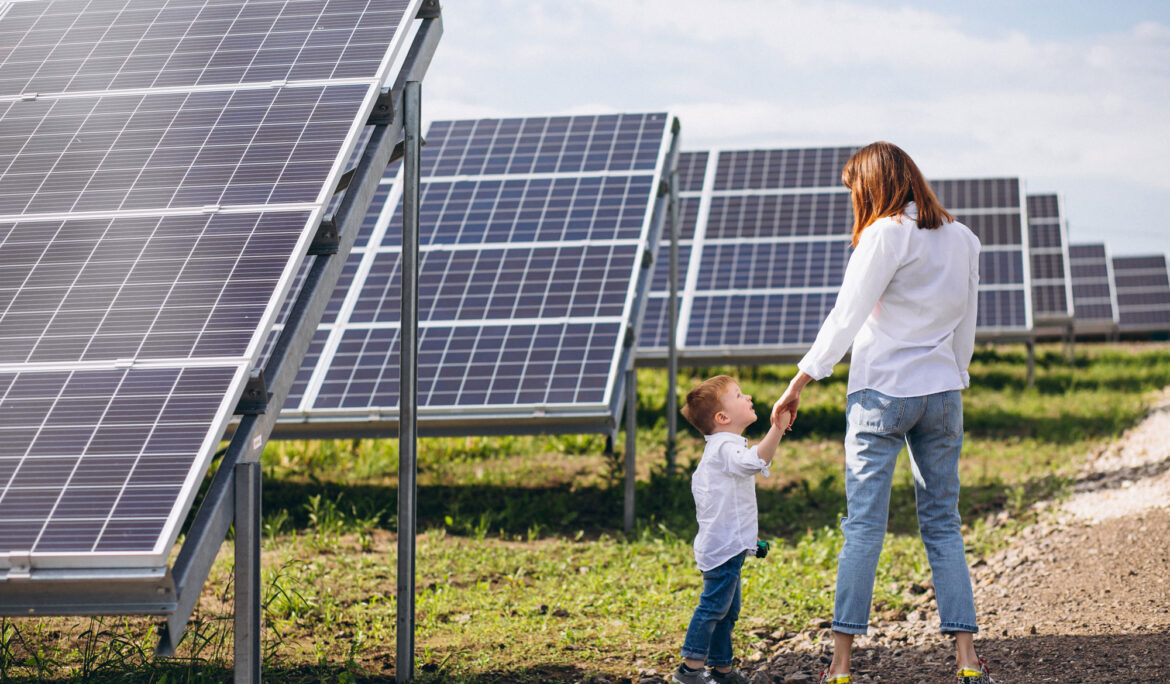
India is charting a bold new course in sustainable development by leading from the front—powering schools, homes, and public institutions with solar energy.
Across the country, the Government’s visionary PM Surya Ghar Muft Bijli Yojana is more than just a household subsidy scheme; it’s a movement transforming every level of society. Schools are now sporting solar rooftops, ensuring that classrooms remain bright, computer labs run seamlessly, and fans whir on hot summer days—all powered by the sun. By solarizing education, the government is not only reducing overhead costs for schools but fostering early environmental consciousness among students.
Public infrastructure, including health centers, panchayat buildings, and government offices, is joining the solar revolution. These institutions are being equipped with solar systems, slashing their electricity bills and ensuring uninterrupted power—especially vital in rural and remote regions. Model Solar Villages are emerging across districts, with designated villages receiving special grants to become beacons of energy self-reliance and showcase innovation in solar adoption.
This commitment to lead by example reverberates at home: over 1 crore (10 million) households are already on the path to generating their own green electricity, benefitting from free power and robust government support. Thanks to streamlined implementation, easy financing, and transparent processes, solar adoption in public and private life is accelerating at a record pace.
Through these efforts, the government’s call is clear: change begins at every level. By powering schools, homes, and public spaces, India isn’t just meeting its clean energy goals—it’s illuminating a sustainable future for its next generation and setting a global benchmark for what it means to lead by example in the renewable era
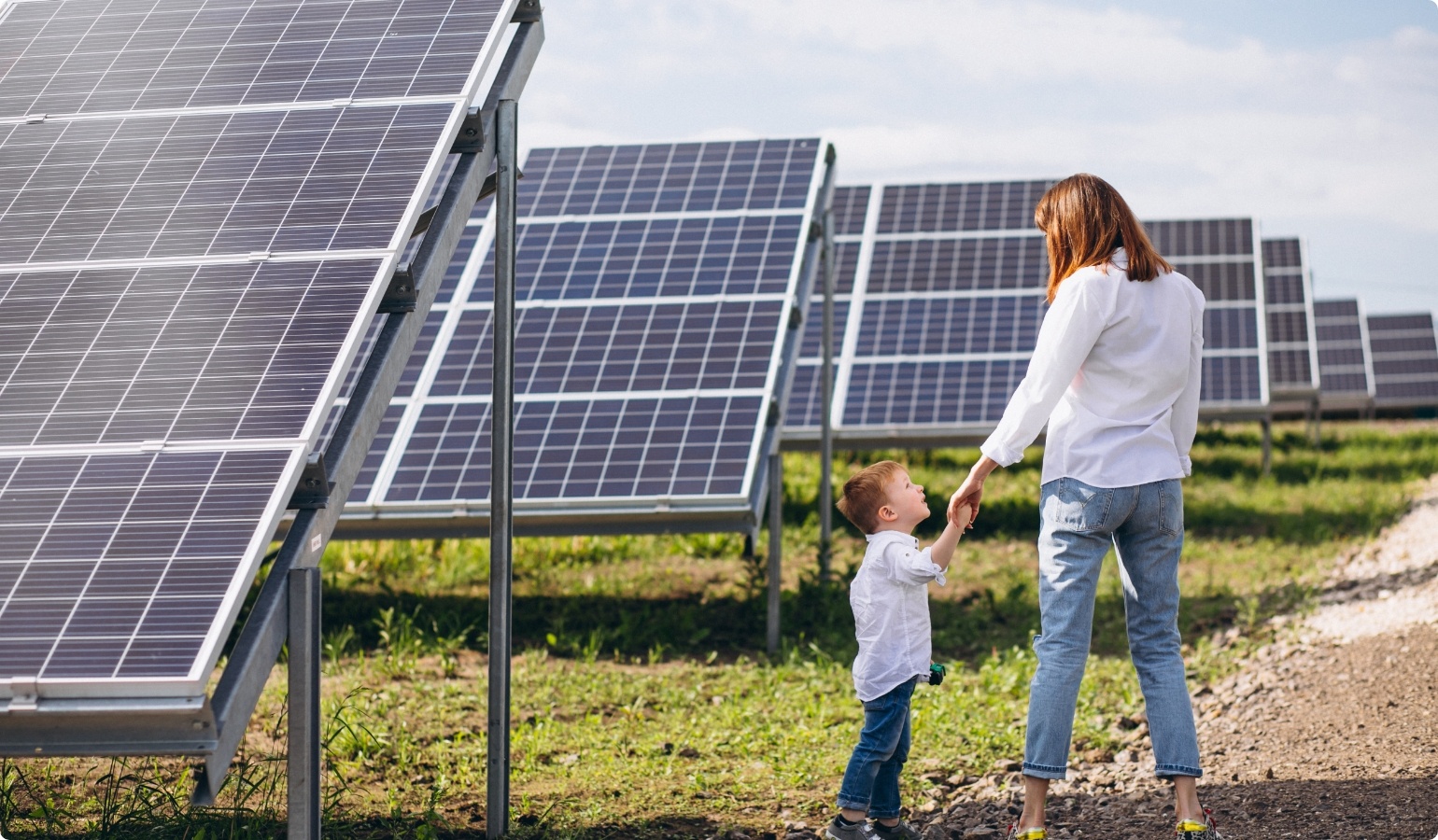
Safety for Children
-
Keeping children safe around rooftop solar systems is a top priority for families embracing clean energy. Modern solar installations in India are built with robust safety in mind—systems are installed and maintained by certified professionals who follow strict safety guidelines to minimize all risks.
Key safety tips for families include:
-
Ensure all electrical equipment is securely installed and properly earthed to avoid electrical shocks.
-
Cordon off installation areas during set-up; never allow children on the roof while work is underway.
-
Keep kids away from panels and wiring, and avoid leaving cables exposed or loose.
-
Regularly check for damage or loose fittings, and always report issues to a professional.
-
Teach children to respect solar panels as they would any other electrical or household white goods—no climbing, touching, or playing near them.
With these measures, solar power not only lights up homes but ensures children’s safety and inspires a culture of responsibility and environmental stewardship.
-