
Hybrid Energy
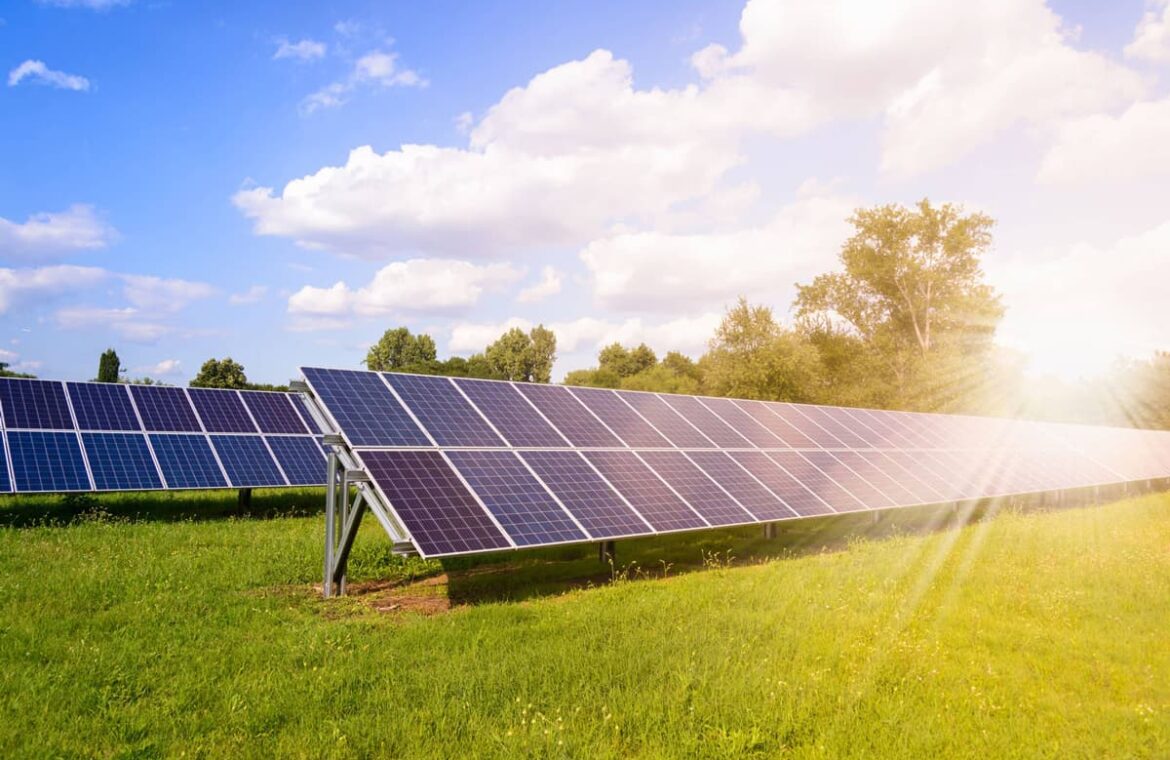
A hybrid energy solar system combines solar panels with battery storage and grid connectivity to provide a reliable and efficient power supply. This system stores excess solar energy in batteries for use during nights or outages, reducing dependence on the grid. With smart inverters managing power flow, hybrid systems offer energy independence, cost savings, and environmental benefits, making them ideal for homes and businesses seeking uninterrupted clean energy.
WHAT IS HYBRID ELECTRICAL POWER
Hybrid electric power refers to a system that combines two or more sources of electricity generation, typically renewable sources like solar panels and wind turbines, sometimes complemented by traditional generators or energy storage. These systems work together to provide a stable, efficient, and reliable power supply by balancing the strengths and intermittent nature of each energy source. Hybrid power systems are especially valuable in remote or off-grid locations, ensuring continuous electricity while maximizing the use of clean energy and reducing dependence on fossil fuels.
TYPES OF HYBRID ELECTRICAL POWER
Leaving aside hybrid installations with wind + diesel generators, the most common types of hybrid electrical power combinations are:
Photovoltaic + Wind.
Combines solar panels with wind turbines to balance energy generation across day and night or varying weather conditions.
Photovoltaic + Hydraulic.
Combines solar power with hydroelectric energy, often enhancing efficiency at existing hydropower sites.
Photovoltaic + Diesel.
Integrates solar photovoltaic panels with diesel generators to ensure continuous power supply when solar energy is insufficient.
Solar Thermal + Biomass.
Uses solar thermal energy alongside biomass plants for diversified renewable energy generation.
ADVANTAGES OF HYBRID ENERGY
The renewable energy sector is in a constant process of innovation to increase its efficiency, competitiveness and to protect the health of the planet. The main advantages of hybrid projects include:
Increased capacity factor in the access point of the hybrid plant thanks to the complementarity of the load curves of both technologies.
Switching between sources when one is inactive reduces the unpredictability inherent in renewable energy and improves the stability of the electricity supplied. Thus, the power on the supply point is ensured.
Optimization on the use of electric infrastructures, involving synergies on O&M and CAPEX.
Speeding up connection times and the commissioning of new renewable generation plants if there is no need to apply for a new access point.
Source:https://www.iberdrola.com/innovation/hybrid-energy